AMD confirms FSR 4.1 support for RDNA 2 and RDNA 3 graphics cards

AMD has officially confirmed that FSR 4.1 upscaling will expand beyond RDNA 4 graphics cards, bringing support to older Radeon GPU generations as well. The announcement came directly from AMD Gaming chief Jack Huynh, marking a major shift for the company’s AI-powered upscaling technology.
The first wave of expanded support will arrive in July 2026 for RDNA 3 graphics cards, which includes the Radeon RX 7000 series. These GPUs will gain access to FSR 4.1 across more than 300 supported games at launch. According to AMD, the updated upscaling technology will offer improved image quality, sharper visuals, and fewer visual artefacts compared to earlier FSR versions.
RDNA 2 users, however, will need to wait longer. AMD confirmed that Radeon RX 6000 series GPUs are expected to receive FSR 4.1 support sometime in early 2027. While the delay may disappoint some players, the announcement itself is significant because it means AMD is actively working to bring its latest upscaling technology to older hardware instead of keeping it exclusive to newer GPUs.
One reason for the delay is technical limitations. RDNA 3 graphics cards lack dedicated INT8 AI acceleration hardware, meaning AMD had to redesign parts of the FSR 4.1 implementation to ensure acceptable performance and image quality on older architectures. AMD says this wasn’t simply a matter of unlocking the feature, but rather a substantial engineering effort involving optimization and testing across a wide range of games.
The broader hardware compatibility could have major implications for gaming handhelds and consoles. Devices such as the ASUS ROG Xbox Ally X, Lenovo Legion Go, MSI Claw A8, and even Valve’s upcoming Steam Machine could benefit significantly from the improved upscaling technology.

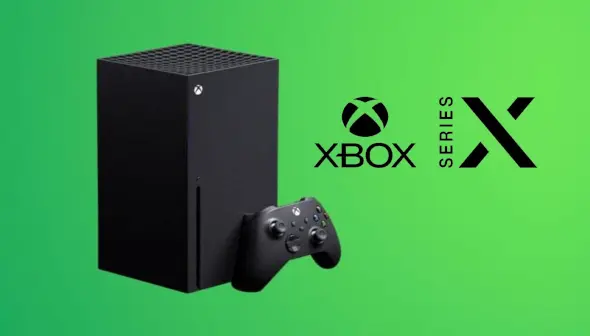
There’s also growing speculation surrounding console support. Since Xbox Series X hardware is based on a full RDNA 2 feature set, many believe Microsoft’s console could eventually gain access to FSR 4.1 as well. If that happens, it could provide a notable visual upgrade for current-generation Xbox games and potentially narrow the gap between the standard Xbox Series X and more powerful enhanced console hardware.
As always, for the latest news on hardware launches and industry developments, be sure to follow our dedicated hardware coverage.




- Trending Now
- Summer Event 2026 Wrap-Up & Leaderboard9/1/26Gaming News
- Sony’s PS6 handheld specs reportedly leak with PS5-beating performance9/19/26Hardware News
- STAR WARS Zero Company keeps pushing forward9/18/26Gaming News
- 25 Years In, RuneScape Finally Reaches Consoles With Dragonwilds9/17/26Gaming News
- Warcraft III Forsaken Kingdom: New Campaign Returns to Lordaeron9/15/26Gaming News
- News, Good deals
- Dragon Shelter Brings Dragons Into the Heart of a Cozy Farming Sim9/25/26Gaming News
- Galvatein: Adventurers' Guild Offers a Fresh Perspective Beyond Being the Hero9/25/26Gaming News
- In Tattoo Shop Simulator, the Shop Is Only the First Mark9/25/26Gaming News
- EA Sports FC 27 kicks off with major new features9/25/26Gaming News
- iRacing Studios NASCAR 26 is reveiving a lot of polishing9/24/26Gaming News
- Mad Metal Unleashes Armed Vehicles Into a Lawless Wasteland9/24/26Gaming News
- components and accessories
-
 £789.00PlayStation 5 ProCurrys
 -
 £519.85PlayStation 5 Slim Digital StandardShopTo
 -
 £34.99TUF Gaming GeForce RTX 5070 Ti OC White Edition 16GBAsus
 -
 £669.00Xbox Series X StandardCurrys
 -
 £569.00PlayStation 5 Slim StandardCurrys
 -
 £57.95Sony DualSenseThe Game Collection
 -
 £649.00Asus ROG Swift OLED XG27UCDMGAsus
 -
 £40.00Xbox Wireless Controller Carbon BlackCurrys
 -
 £432.86Ryzen 7 9850X3DQuzo
 -
 £403.25Ryzen 7 9800X3DQuzo
 -
 £474.99(2 x 16 GB) Vengeance Black AMD Expo 6000 MHz - CAS 30Corsair
 -
 £854.72Radeon RX 9070 XT Aorus Elite 16GBQuzo
- New games
-
£16.56EA SPORTS FC 27Kinguin
-
£22.16Total War WARHAMMER 3 Lords of the End TimesGreenmanGaming
-
£8.62Farming CampKinguin
-
£14.99Garfield Escape from MondayGamesplanet
-
£43.16Harvest Moon Echoes of Teradeararewaves
- Available soon
-
£29.03Transport Fever 3Kinguin
-
£16.68Minecraft Dungeons 2Eneba
-
£22.13Dynasty Warriors 3 Complete Edition RemasteredEneba
-
£36.17Gears of War E DayEneba
-
£35.50ACE COMBAT 8 WINGS OF THEVEEneba
answering the message of