Buy SimCity at the Best Price
- PC


Top retailers
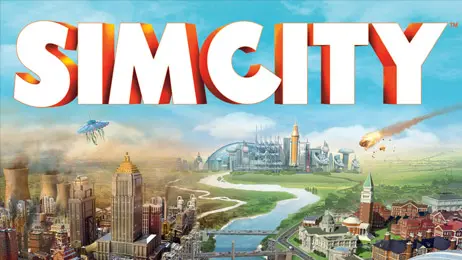
The award-winning game conceived by Will Wright—co-founder of Maxis and creator of The Sims—resurfaces in a brand-new package after a nearly 10-year hiatus. Developed by the original team and now published by Electronic Arts, this reboot breathes new life into the franchise.
SimCity is the definitive "city-builder." Step into the shoes of an ambitious mayor and construct a city with a unique infrastructure, balancing all the complex parameters that come with such a heavy responsibility.
Innovation & Features
The biggest innovation for the saga is the GlassBox 3D engine, specifically developed to meet the demands of a much more sophisticated gameplay system. While the core philosophy remains, the features have been vastly improved:
- Multiplayer Mode: A fresh addition to the experience, allowing multiple players to manage the same city or region together.
- Specialization: You can now focus your city on a specific sector—whether it’s education, heavy industry, or tourism—giving you total control over your economic hubs.
- Dynamic Citizens: Your Sims are subject to multiple influences calculated by the engine, shifting their behavior and their opinion of you. Each resident has their own quirks, lifestyle habits, and consumption patterns based on specific criteria.
- Regional Impact: Your choices don't just affect your town; they impact neighboring cities and the entire region you belong to.
- Modular Customization: Numerous customization tools are available for civic buildings like schools, police stations, and more.
- Curved Roads: For the first time, transit axes can be curved, enhancing realism and allowing for finer infrastructure management.
- Individual Tracking: Since every Sim is a distinct entity, you can gather data on their daily lives to better inform your mayoral decisions.
It is clear that the developers' ambition is to establish this new installment as a true revolution of the genre. At first glance, it possesses all the keys to becoming an absolute must-have.
Best deals for SimCity



Technical information
- Official website
- Categories : Management, Puzzle
- Editor : Electronic Arts
- Developer : Electronic Arts
- Release date : March 7, 2013
- System Requirements
-
- Minimum
- OS: XP / Vista / 7 / 8
- CPU : Athlon 64 X2 4000+, Core2Duo 2 GHz
- RAM : 2GB
- GPU : Radeon HD 2x00, Nvidia 7800, Intel Series4
- Storage : 10 GB
- Age Rating
-

Supported languages
| Interface | Audio | Subtitles | |
|---|---|---|---|
| English |


DLC available
-
 £0.98SimCity Cities of TomorroEneba
 -
 £4.60Amusement Park SetKinguin
 -
 £5.13French City SetKinguin
 -
 £2.28British City SetKinguin
 -
 £2.19German City SetKinguin
RATING
- Metacritic 64 / 100
- Same Franchise
-
 £2.12SimCity 4Kinguin
 -
 £1.78SimCity 2K Special EditionKinguin
- Also Published By Electronic Arts
-
£42.61EA SPORTS FC 27Eneba
-
£43.27EA Sports NHL 27Eneba
-
£28.26STAR WARS Zero CompanyEneba
-
£38.51EA SPORTS Madden NFL 27Kinguin
-
 £87.22EA SPORTS MVP Bundle (College Football 27 Deluxe Edition & Madden NFL 27 Deluxe Edition)Eneba
 -
 £35.23EA SPORTS College Football 27Kinguin
 -
 £36.33EA Sports UFC 6eBay
 -
 £8.65Plants vs. Zombies ReplantedEneba
 -
£14.08Battlefield 6eBay
-
£11.12EA SPORTS FC 26eBay
- Most Popular
-
£20.76WardogsEneba
-
£13.55ValheimGame Boost
-
£17.54Diablo 4 Lord of HatredKinguin
-
£23.09Halloween The GameLootBar
-
£35.76Blood of DawnwalkerKinguin
-
£30.08Crimson Desert EnhancedGame Boost
-
£31.79Onimusha Way of the SwordKinguin
-
£34.11Forza Horizon 6Eneba
-
£16.35RuneScape DragonwildsLootBar
-
£48.64Grand Theft Auto 6Eneba
- New games
-
£23.95Sniper DanThe Game Collection
-
£47.95Trails in the Sky 2nd ChapterThe Game Collection
-
£3.99WoodoFanatical
-
£30.37Train Sim World 7Eneba
-
£2.13Marvel's WolverineKinguin
-
£19.89Active MatterKinguin
- Available soon
-
£16.99The Walking Dead Streets of SurvivalSteam
-
 £32.99The Grinch 2 Saving ChristmasCurrys
 -
£15.99Graveyard Keeper 2PlayStation Store
-
£25.22SILENT HILL TownfallEneba
-
Feed
-
Frontier is making a Planet game that isn't about zoos or rollercoasters, and has just filed trademarks for Planet Resort and Planet Festival6/14/26 PC Gamer
-
You will never guess who turns up in this video about why you can't build British towns in SimCity 46/21/26 PC Gamer
-
You can help save the whales by buying this reef-building game written by the scribe of the Tomb Raider reboot5/23/26 PC Gamer
-
Couple's dispute over playing Slay the Spire 2 in bed gets a ruling from comedian John Hodgman: 'Pick an arbitrary battle and stick with it'8/6/26 PC Gamer
-
Modern gamers spoiled by Steam will never understand the joy of a MegaPak8/29/26 PC Gamer
- Trending Now
- Summer Event 2026 Wrap-Up & Leaderboard9/1/26Gaming News
- BlizzCon 2026: Diablo V, a new StarCraft, and World of Warcraft: Forever9/13/26Gaming News
- Warhammer 40,000: Space Marine 2 Patch 15 Brings Chaos to Siege9/4/26Gaming News
- GTA VI gets two flashy limited-edition DualSense controllers before release9/4/26Hardware News
- The Blood of Dawnwalker is already a hit on Steam9/3/26Gaming News
- News, Good deals
- dLcompare Recaps the Latest Games #1214 hours agoGaming News
- Farming, horror, and RPG madness collide in Welcome to Elderfield9/15/26Gaming News
- Is Logan enough for Marvel's Wolverine to succeed?9/14/26Gaming News
- Call of Duty: Modern Warfare 4’s Pre-Order Bonus is special on Xbox9/10/26Gaming News
- Sucker for Love: Crush Landing Turns Cosmic Horror Into Romance9/10/26Gaming News
- No Man’s Sky Overhauls Space with the COSMOS 7.0 Update9/9/26Gaming News
answering the message of