Buy ASKA at the Best Price
- PC



Top retailers
Delve into a sprawling world populated by Viking clans in ASKA, an online co-op multiplayer survival adventure. Work together with your clanmates to create a thriving community that can withstand the woes of living in a harsh land. Become a clan leader and enlist the help of your clanmates to build a settlement and work hard to make it self-sustainable. Defend your home from assailants and gather food to survive the unforgiving winter. ASKA is the ultimate Viking survival challenge and only the bravest and most resourceful will thrive in this game.
In ASKA, you can team up with up to three other friends to create your settlement. You can train your clanmates and assign them different tasks in order to keep the town running. Command them, hunt for resources, explore a mythical fantasy world, and survive at any cost in this unique experience.
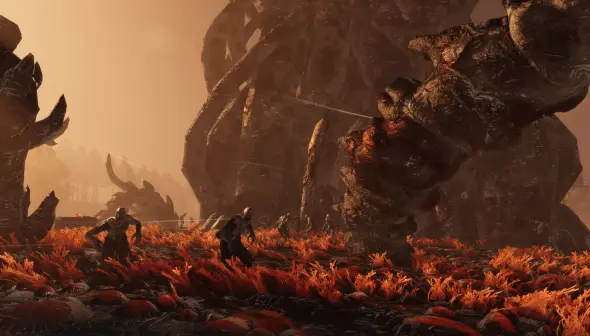
The game's realistic weather system will pit you and your tribe against harsh winters. If you are not prepared enough, your tribe will suffer greatly. But there are other threats that will keep you on your toes a all times. A dark threat looms over your people, as this world is populated by dark creatures that will seek to destroy your people. Aska features a skill-based combat system that lets you engage in epic fights against ancient threats.
ASKA is a visually impressive game that represents its world in detail, with a high level of immersion, and detailed gameplay mechanics. Become a Viking and fight for your people in this epic survival adventure!
Best deals for ASKA


Technical information
- Official website
- Categories : Action, Adventure, Simulation, Strategy
- Editor : Thunderful Publishing
- Developer : Sand Sailor Studio
- Mode(s):
-
- Solo ( At Launch)
- Co-op (Max 4 players, Online)
- Release date : June 20, 2024
- Latest patch: 3/24/26
- System Requirements
-
- Minimum
- OS: Windows 10 (64-bit)
- CPU : Core i5 6600 / Ryzen 5 1600
- RAM : 16 GB
- GPU : GeForce GTX 1660 / Radeon RX 590
- Storage : 6 GB
Supported languages
| Interface | Audio | Subtitles | |
|---|---|---|---|
| English | |||
| Chinese (Simplified) | |||
| Spanish (Spain) | |||
| French | |||
| German | |||
| Ukrainian |


-
ASKA News
-
ASKA, a new Viking survival experience6/26/24
RATING
- Steam 7856 / 2024
- Also Published By Thunderful Publishing
-
 £11.77REPLACEDEneba
 -
 £10.56Planet of Lana 2Eneba
 -
 £4.59GODBREAKERSEneba
 -
 £3.48Lost in Random The Eternal DieKinguin
 -
 £0.52ReignbreakerEneba
 -
 £2.36SteamWorld Heist 2Eneba
 -
 £0.17SteamWorld BuildEneba
 -
 £1.35Laika Aged Through BloodKinguin
 -
 £5.49ViewfinderEneba
 -
 £0.35Planet of LanaEneba
- Most Popular
-
£14.16ValheimGame Boost
-
£22.93Halloween The GameLootBar
-
£36.49Blood of DawnwalkerEneba
-
£17.12Diablo 4 Lord of HatredKinguin
-
£31.79Onimusha Way of the SwordKinguin
-
£30.09Crimson Desert EnhancedGame Boost
-
£28.23STAR WARS Zero CompanyEneba
-
£36.67NBA 2K27HRKGAME
-
£32.91Forza Horizon 6LDShop
-
£26.16Resident Evil RequiemEneba
- New games
-
£39.17Train Sim World 7HRKGAME
-
£48.83Marvel's WolverineeBay
-
£3.90CloudscrapersGreenmanGaming
-
£7.69Golden SwirlK4G
-
£52.16EA Sports NHL 27Eneba
-
£2.66Magical BlushKinguin
- Available soon
-
£47.95Trails in the Sky 2nd ChapterThe Game Collection
-
£23.95Sniper DanThe Game Collection
-
 £32.99The Grinch 2 Saving ChristmasCurrys
 -
£16.99The Walking Dead Streets of SurvivalSteam
- Trending Now
- Summer Event 2026 Wrap-Up & Leaderboard9/1/26Gaming News
- BlizzCon 2026: Diablo V, a new StarCraft, and World of Warcraft: Forever9/13/26Gaming News
- Warhammer 40,000: Space Marine 2 Patch 15 Brings Chaos to Siege9/4/26Gaming News
- GTA VI gets two flashy limited-edition DualSense controllers before release9/4/26Hardware News
- The Blood of Dawnwalker is already a hit on Steam9/3/26Gaming News
- News, Good deals
- Is Logan enough for Marvel's Wolverine to succeed?23 hours agoGaming News
- Call of Duty: Modern Warfare 4’s Pre-Order Bonus is special on Xbox9/10/26Gaming News
- Sucker for Love: Crush Landing Turns Cosmic Horror Into Romance9/10/26Gaming News
- No Man’s Sky Overhauls Space with the COSMOS 7.0 Update9/9/26Gaming News
- Valheim officially leaves Early Access with version 1.09/9/26Gaming News
- Salvation: Echoes of War Traps You in a WWII Nightmare9/8/26Gaming News
answering the message of